How to Plan Company Events Employees Actually Want to Attend
VyBeing Team
Content Strategist
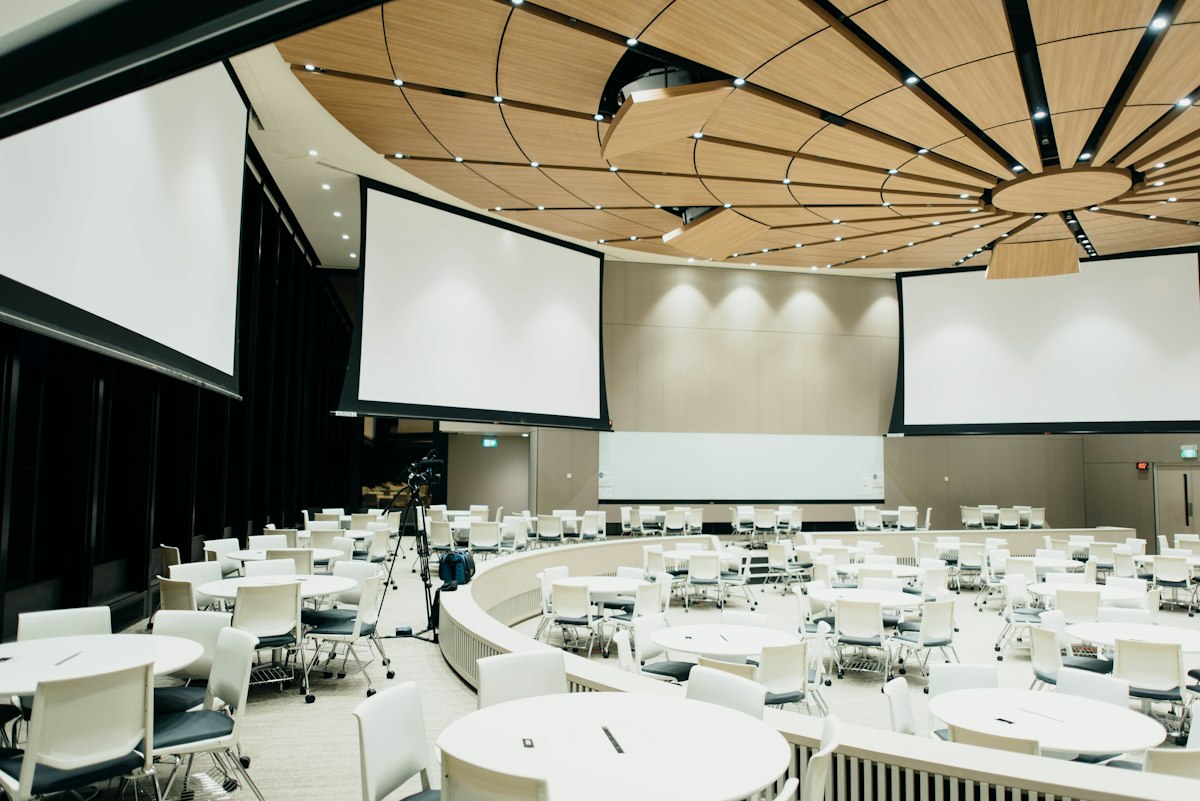
A company event should feel like a real experience, not a meeting with food attached to it. When it is planned well, it strengthens relationships, celebrates progress, supports culture, and gives employees a reason to reconnect beyond their daily tasks. When it is planned poorly, people show up out of obligation and leave feeling that the event added friction instead of value.
Why Most Company Events Fail
The first question to answer is simple: why are we doing this? The purpose might be to celebrate a milestone, welcome new hires, reconnect a hybrid team, reduce stress after an intense quarter, or help different departments get to know one another. Once the goal is clear, the rest of the decisions become easier, including the format, budget, timing, venue, food, and vendor choices.
Key Steps in Corporate Event Planning
The second question is who the event is for. Different teams want different experiences. A product team coming off a high-pressure launch may want something calm and restorative. A sales team after a strong quarter may enjoy something more energetic and social. Remote employees may need thoughtful hybrid elements so they are not treated like an afterthought, while parents may value schedules that respect family time. Good planning starts by matching the event to the people, not forcing people into a fixed template.
Details matter more than many planners expect. Employees notice unclear transportation instructions, limited dietary options, poor timing, inaccessible locations, or activities that feel mismatched to the group. Those things may seem small on paper, but they shape the emotional tone of the entire event. Strong logistics remove friction so people can focus on enjoying the moment.
Creative Formats for Team Building Events
- Interactive Workshops: Cooking, cocktail making, or arts workshops where teams collaborate in a relaxed environment.
- Custom Outdoor Days: Tailored scavenger hunts or wellness retreats that get teams moving and communicating.
- Thoughtful Hybrid Gatherings: Integrated experiences where remote and in-office staff share the same activities simultaneously.
- Milestone Celebrations: Interactive dinners or award nights that recognize individual and team accomplishments.
Connecting Budget to Impact
Budget matters, but impact does not always come from spending more. A smaller event with the right format, good vendors, and thoughtful planning can create a better experience than a larger event that feels generic. The smartest budgets are intentional: they prioritize the elements that employees will actually remember. After the event, ask what worked, what felt unnecessary, and what employees would change next time to keep future planning grounded in real experience.
Planning your next event? Use the VyBeing AI Planner to design custom team events, select the right vendors, and stay within budget automatically.
From idea to execution
VyBeing brings planning, vendors, employee experiences, and operational control into one system so HR teams can move from good intentions to consistent delivery.
If your team wants a more reliable way to plan wellbeing, appreciation, and team moments, the next step is a demo or a quick look through the marketplace.
Subscribe to our newsletter for weekly tips on employee experience and company culture.