Physical Workspace: How Office Design Affects Employee Happiness and Productivity
VyBeing Team
Content Strategist
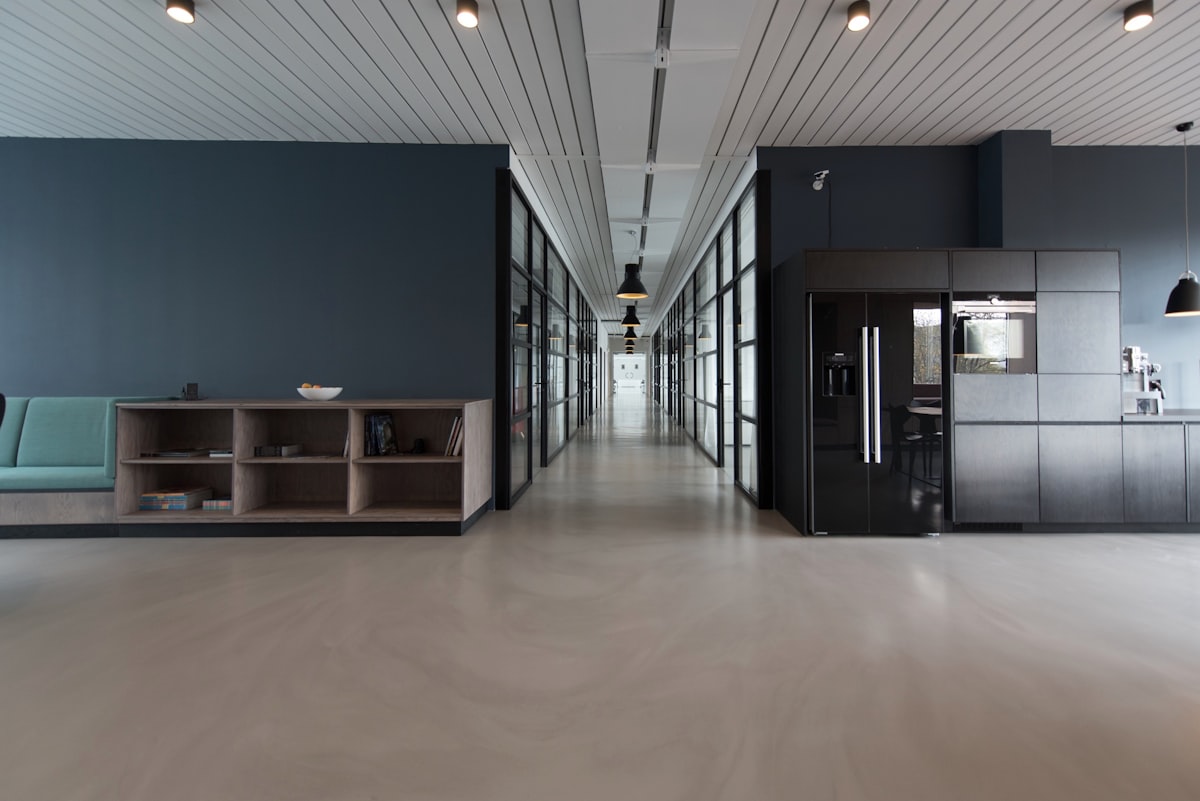
The physical workspace has a direct effect on how employees feel at work. A beautiful office is not enough. Employees need a space that supports focus, collaboration, comfort, recovery, and connection.
A good workspace meets different needs throughout the day. Employees need quiet areas for deep work, collaborative spaces for team discussions, comfortable meeting rooms, places to eat together, and small corners where they can reset. When the office supports multiple work modes, employees feel more in control of their day and less forced into one way of working.
Physical comfort matters too. Lighting, noise, seating, air quality, cleanliness, food, drinks, and equipment all influence the employee experience. If employees do not have the right tools or they feel physically uncomfortable, even the best culture initiative will not solve the problem.
In practice, this means companies should look at everyday friction. Poor acoustics, limited privacy, weak meeting-room setup, crowded kitchens, unclear storage, uncomfortable chairs, or a lack of quiet zones can quietly shape how people feel about office days.
The office should also create emotional moments. A welcoming kitchen, a thoughtful snack station, wellness kits, seasonal gifts, team lunches, celebration areas, and visible cultural touchpoints can make the workspace feel alive. These details tell employees that the company cares about their day-to-day experience, not just their output.
For hybrid companies, the office needs a clear purpose. Employees should not commute in only to sit on video calls all day. The office should support connection, creativity, collaboration, onboarding, celebrations, and team rituals. That means office perks and workspace planning should connect to the broader employee-experience strategy instead of being treated as separate administrative decisions.
To improve the physical workspace, start with a simple audit: What frustrates employees? What helps them focus? What makes them feel welcome? What makes office days worth the commute? What small changes would improve daily comfort?
The best workplace is not necessarily the most expensive one. It is the one that helps employees feel comfortable, connected, and glad to be there.
From idea to execution
VyBeing brings planning, vendors, employee experiences, and operational control into one system so HR teams can move from good intentions to consistent delivery.
If your team wants a more reliable way to plan wellbeing, appreciation, and team moments, the next step is a demo or a quick look through the marketplace.
Subscribe to our newsletter for weekly tips on employee experience and company culture.